In continuation with my previous blog on “Stone by Stone: A Personal Guide to Aquascaping Rock Types” , this article we will discuss the rest of the types of rocks used in aquascaping.
5. Manten Stone: The Crown Jewel of Aquascaping
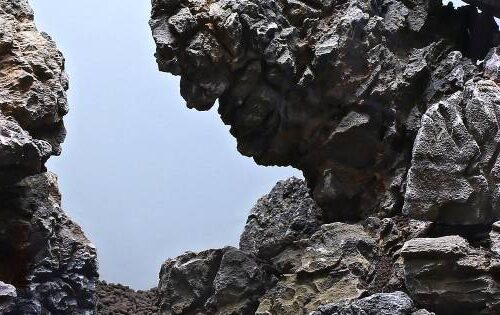
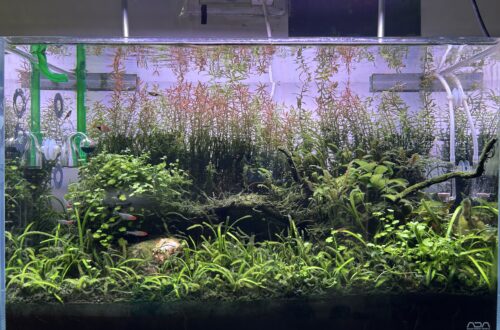
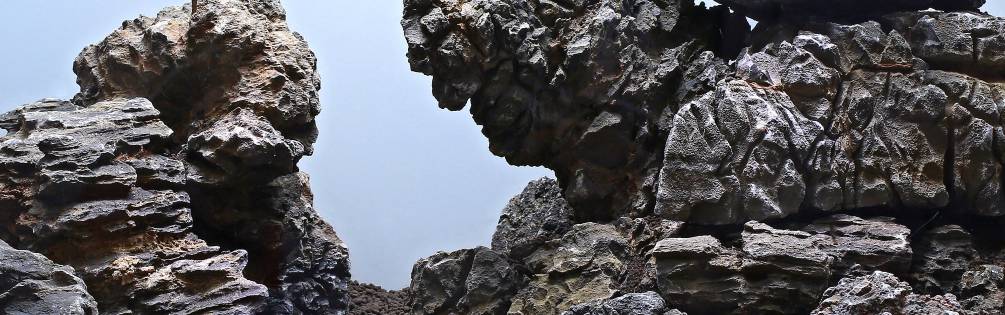
An aquascape using Manten Stone, highlighting its rugged texture and natural harmony with aquatic plants.
What Is Manten Stone?
Manten Stone is a highly sought-after type of decorative rock used in high-end aquascaping, particularly in Nature Aquarium layouts. Originally sourced from Japan, it is known for its rugged surface, rich grayish-brown coloration, and unique fissures and textures that mimic natural mountainous terrain.
Because of its raw and dramatic look, Manten Stone helps create visually striking hardscape compositions that mimic natural cliffs, riverbeds, or highland environments in miniature form.
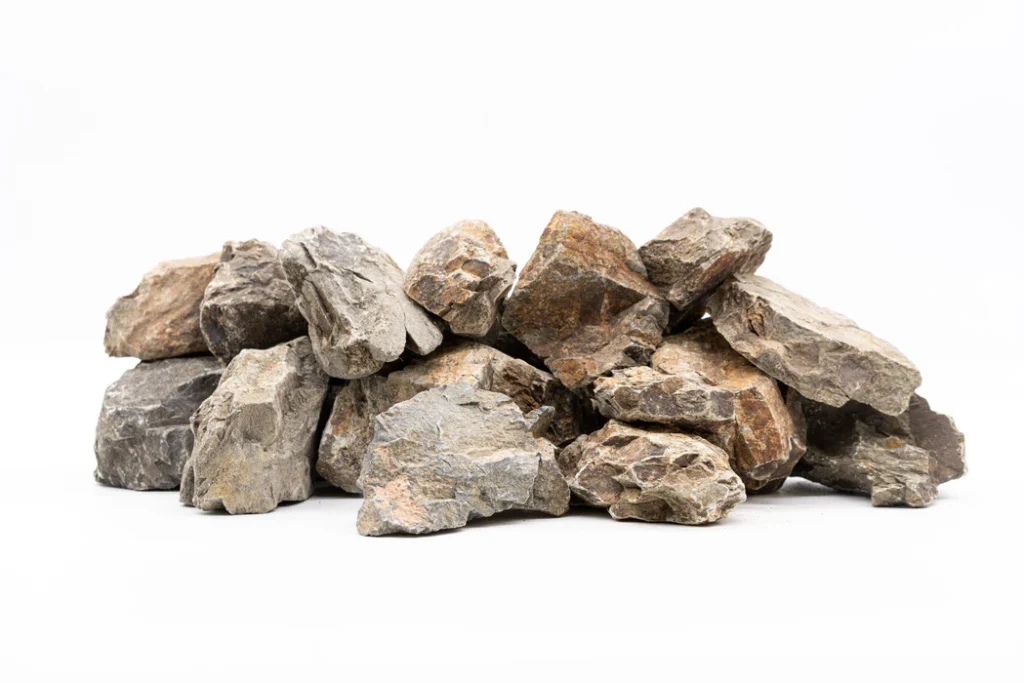
Image courtesy of buceplant
Key Features of Manten Stone
- Unique Texture: Deep grooves, fissures, and weathered surfaces give it a wild, natural look.
- Color Palette: Ranges from light gray to dark brown with subtle earthy tones.
- Heft and Solidity: Dense and heavy, which helps stabilize layouts underwater.
- Rare and Premium: Due to limited availability, it is considered a luxury item in aquascaping circles.
Why Use Manten Stone in Aquascaping?
Aquascapers choose Manten Stone for its ability to add depth, drama, and realism to their layouts. It blends well with carpeting plants like Hemianthus callitrichoides (dwarf baby tears) and mosses, as well as with taller stems and ferns. Its natural crevices are ideal for anchoring plants and creating dynamic compositions that guide the viewer’s eye.
Tips for Using Manten Stone
- Balance and Scale: Combine different sizes of stone to create depth and a natural flow.
- Golden Ratio Layouts: Place the largest stone off-center to create a visually pleasing focal point.
- Plant Pairing: Use low-growing plants to emphasize the stone’s rugged surface without overpowering it.
- Avoid Symmetry: Manten Stone looks best in irregular, natural groupings.
Final Thoughts
Manten Stone is not just a rock—it’s a statement piece in any aquascape. While it may be more expensive and harder to find than other types of aquascaping stones (like Seiryu or Dragon Stone), its aesthetic payoff is unmatched. For those looking to elevate their underwater landscapes into works of art, Manten Stone offers a timeless, natural beauty that transforms any aquarium into a slice of the wild.
6. Koka Stones in Aquascaping: Nature’s Sculpted Masterpieces
Aquascaping, the art of creating underwater landscapes, thrives on the interplay of water, flora, and hardscape materials. Among the many natural stones available to aquascapers, Koka stones have recently emerged as a favored choice for those aiming to craft distinctive, serene, and visually captivating aquatic environments. These stones are not just decorative—they shape the soul of the aquascape.
What Are Koka Stones?
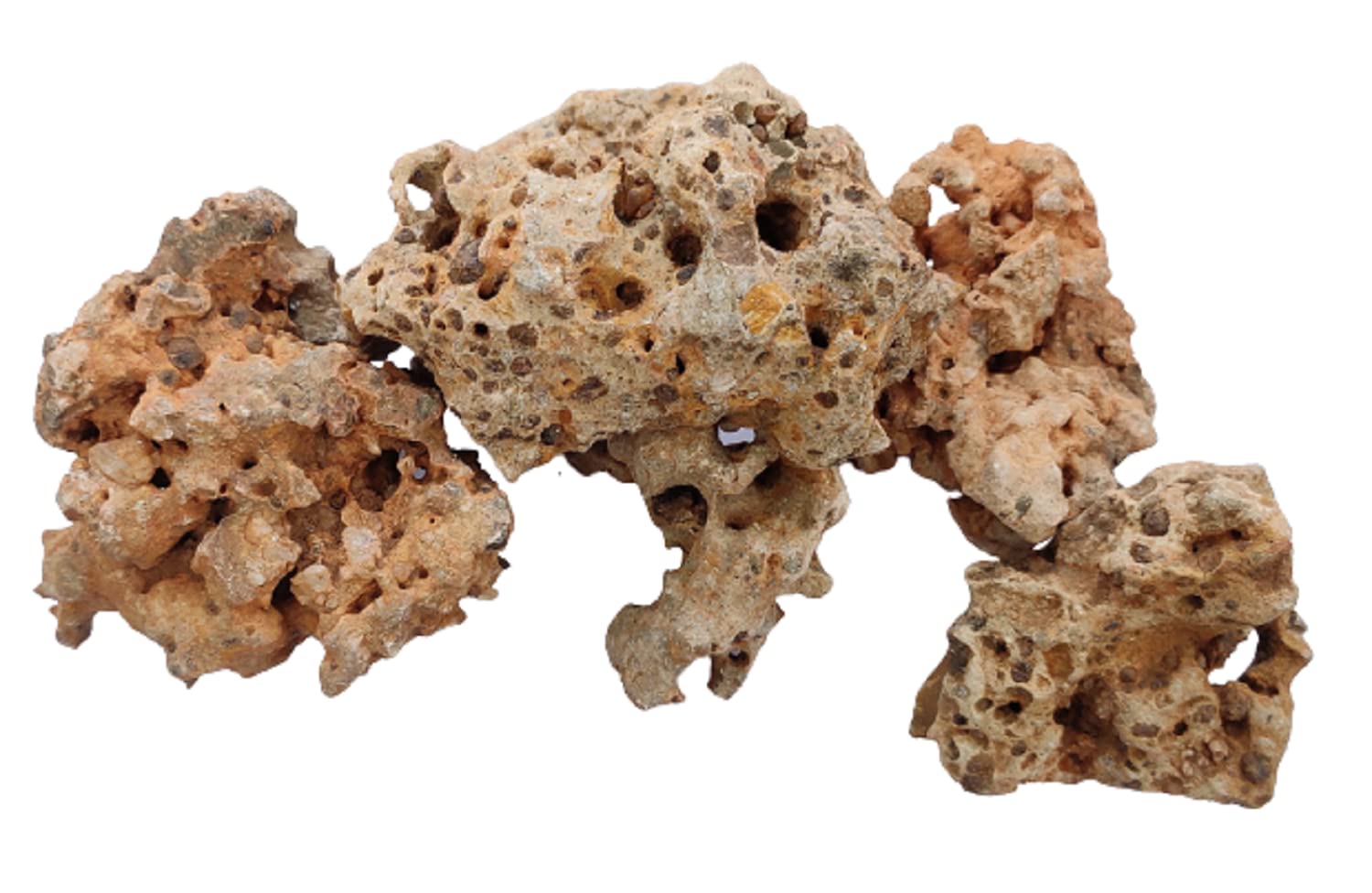
Koka stones are natural sedimentary rocks, known for their irregular, weathered surfaces and warm earthy tones, ranging from soft browns to reddish hues. They are often marked by crevices, layered textures, and a porous structure that allows them to blend seamlessly with natural aquatic layouts. Each piece is unique—like a miniature mountain or ancient ruin—which makes them ideal for Iwagumi and nature-style aquascapes.
Why Aquascapers Love Koka Stones
- Organic Aesthetic Appeal Koka stones bring a raw, untouched look to aquascapes. Their naturally eroded textures mimic the rugged beauty of canyon cliffs or windswept hillsides, giving the layout a timeless, ancient atmosphere.
- Versatility in Layouts Whether you’re building a dramatic mountain scene or a minimalist Zen garden, Koka stones adapt well. Their variety in shape and size allows for dynamic scaping—from towering centerpieces to subtle foreground accents.
- Plant Compatibility The porous texture provides a good grip for epiphytic plants like Anubias, Bucephalandra, or mosses, enabling aquascapers to create lush, living stone compositions. These stones don’t hinder plant growth and are inert, meaning they won’t significantly alter water chemistry.
- Subtle Color Harmony The soft, warm tones of Koka stones complement green aquatic plants and natural wood beautifully, avoiding the harsh contrasts that some darker or highly patterned stones can bring.
Aquascaping Tips with Koka Stones
- Follow the Golden Ratio Use the 2:3 rule or the rule of thirds to position your primary stone, or Oyaishi, for visual impact.
- Use a Cohesive Stone Set Choose stones with similar textures and colors to maintain natural harmony. Mixing Koka with other types can work but requires careful balance.
- Enhance with Sand or Soil Koka stones stand out against light sand substrates or can create natural-looking cliffs with soil banks. Add subtle elevation to create depth.
- Hide Seams with Moss Use Java moss or Riccardia to cover gaps between stones or to soften transitions, making the scape more organic.
Maintenance and Considerations
- Pre-wash Thoroughly: Koka stones can be dusty or contain loose sediment. Rinse them well before placing them in your tank.
- Monitor for Algae: Their porous texture can attract algae. Regular cleaning or the introduction of algae-eaters can help maintain their appearance.
- Weight and Placement: Some Koka stones can be surprisingly light, but secure placement is key. Use foam pads or glue to stabilize them on slopes.
Final Thoughts
Koka stones are more than just rocks—they are natural sculptures that invite imagination and serenity into the aquascape. Whether you’re building a meditative escape or a wild, overgrown riverbank, these stones offer texture, balance, and timeless beauty.
If you’re seeking a unique, earthy alternative to more common stones like Seiryu or Dragon stone, Koka might just be your perfect match.
7. Unzan Stones in Aquascaping: Sculpting Volcanic Majesty Beneath the Surface
In the art of aquascaping, few elements are as transformative as the hardscape. Stones are not mere decorations—they are the foundation of visual storytelling beneath the water. Among the rare and dramatic options available, Unzan stones stand out for their volcanic origins, porous textures, and otherworldly shapes. These are not just rocks; they are pieces of underwater architecture, capable of turning any tank into a scene from a lost world.
What Are Unzan Stones?
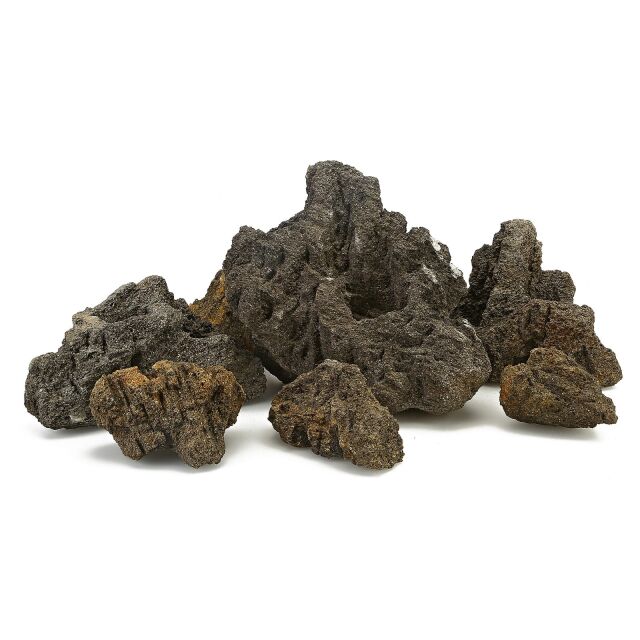
Unzan stones (雲山石, meaning “Cloud Mountain Stone” in Japanese) are volcanic rocks, typically sourced from Japan. They are characterized by:
- Rugged, jagged profiles
- Highly porous surfaces
- Cavern-like holes and tunnels
- A dramatic charcoal or dark gray coloration
These stones resemble the eroded volcanic cliffs found on misty mountain peaks—hence their poetic name. In aquascaping, they are prized for their dramatic visual impact and excellent plant compatibility.
Why Choose Unzan Stones for Your Aquascape?
- Visual Drama No other stone commands attention like Unzan. Its jagged, towering forms and deep recesses make it ideal for creating vertical scapes, fantasy-like cliffs, or “floating island” layouts.
- Excellent for Epiphytes The porous surface is perfect for anchoring mosses, ferns, and other epiphytic plants like Bucephalandra or Anubias. These plants naturally cling to stone, making Unzan a natural fit.
- Natural Caverns for Fish & Shrimp The tunnels and holes in Unzan stones offer shelter and hiding spots for aquatic life, which is especially beneficial in community tanks with shy or territorial species.
- Inert Composition Despite its volcanic origin, Unzan stone is pH-neutral and won’t alter your water parameters—making it safe for a wide range of livestock, from delicate shrimp to tropical fish.
Aquascaping with Unzan Stones
- Go Vertical Unzan is perfect for building height. Stack carefully to form towers or spires, using aquarium-safe adhesive or foam to stabilize.
- Balance the Composition Because of its intense form, use Unzan sparingly or as the centerpiece. Pair it with fine-leaved plants or subtle hardscape elements to prevent visual overwhelm.
- Layer with Moss Riccardia, Java moss, or Flame moss looks stunning when trailing down Unzan’s surface, softening its bold edges and adding a sense of age.
- Use Light Wisely Unzan’s deep crevices create natural shadows. Position lighting to emphasize this depth and bring out contrast, especially in minimalist or high-contrast scapes.
Challenges to Consider
- Availability & Cost Unzan stones are rare and expensive, often imported in limited quantities. Choose your pieces wisely and design your layout around them.
- Fragility Despite their rugged look, some Unzan stones can be brittle or flake under pressure. Handle with care during setup.
- Cleaning Their porous structure can trap debris. Pre-soaking and brushing is recommended before adding them to your tank.
Ideal Aquascape Styles for Unzan Stones
- Fantasy & Themed Scapes: Think “floating island,” “volcanic wasteland,” or “post-apocalyptic nature reclaiming ruins.”
- Wabi-Kusa and Paludariums: Use them to create steep terrain or misty mountain backdrops above water.
- Iwagumi Variants: A modern twist on the classic minimalist stone layout.
Final Thoughts
Unzan stones are bold, dramatic, and unforgettable. They allow aquascapers to step beyond traditional layouts and into the realm of imagination. Whether you’re aiming for a cinematic aquascape or a mystical nature scene, Unzan stones give you the tools to sculpt a world of wonder.
If you’re ready to push the boundaries of what’s possible in a tank, Unzan stones are your gateway to the extraordinary.
8. Frodo Stones in Aquascaping: Crafting Epic Landscapes with Subtle Power
In the vast world of aquascaping, the right hardscape can make the difference between a beautiful tank and a breathtaking one. Enter the Frodo stone—a rock that, despite its humble name, holds the power to transform a layout into a miniature epic. With their rugged texture, neutral tones, and natural drama, Frodo stones have become a go-to choice for aquascapers aiming to create depth, realism, and emotional atmosphere in their underwater worlds.
What Are Frodo Stones?
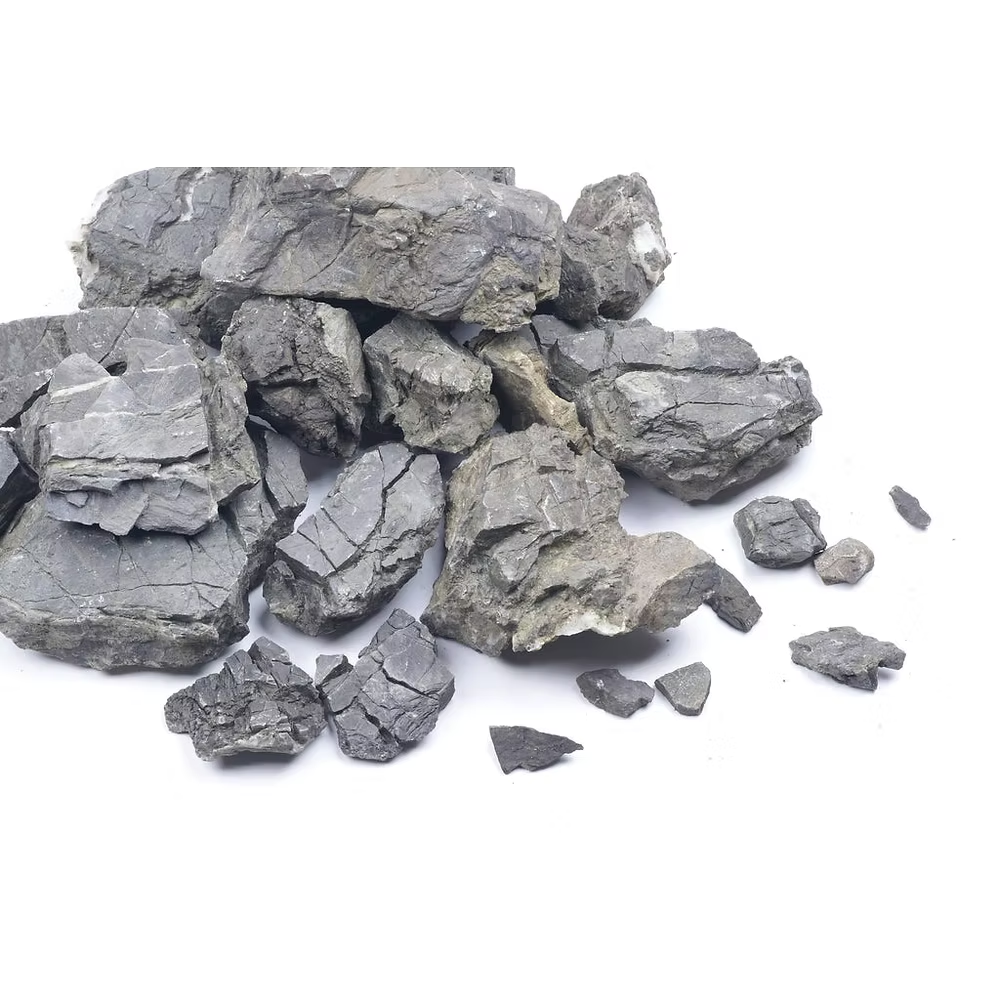
Frodo stones are sedimentary rocks, often limestone-based, known for their sharp, angular edges, dramatic fissures, and rich, earthy gray or brown coloration. They are sometimes confused with Seiryu or Manten stones due to their similarly complex surface textures, but Frodo stones are distinguished by their natural, fractured look—like ancient canyon walls frozen in time.
These stones are named after the iconic literary character Frodo Baggins, evoking a sense of adventure, exploration, and rugged natural beauty. Just as Frodo journeyed through wild terrain, these stones bring the spirit of wild landscapes into your aquascape.
Why Aquascapers Love Frodo Stones
- Incredible Texture and Detail Frodo stones have intricate, weathered surfaces filled with grooves, cracks, and ridges that catch light and cast shadows, adding dramatic depth to even small aquariums.
- Naturalistic Color Palette Their cool gray to brownish tones blend effortlessly with green plants, creating a harmonious, earthy look that doesn’t overpower the rest of the layout.
- Versatile Shapes and Sizes Whether you’re building a towering mountain range or a gently sloping valley, Frodo stones come in a variety of shapes—making them ideal for both Iwagumi (minimalist) and Nature-style (lush, plant-heavy) aquascapes.
- Plant-Friendly Surface Their rough surface makes it easy to anchor mosses and epiphytic plants like Bucephalandra, Java fern, or Anubias. They help your greenery take root and flourish.
- Stable and Inert Frodo stones are generally safe for most aquarium setups, with minimal impact on water parameters—though some varieties may slightly harden water over time due to their limestone content.
Tips for Aquascaping with Frodo Stones
- Create Flow and Direction Use the natural angles in Frodo stones to guide the viewer’s eye. Align fissures and slopes to create the illusion of movement or erosion.
- Use the Rule of Thirds Place your largest Frodo stone—the Oyaishi—slightly off-center to draw focus, then use smaller stones (Fukuishi and Soeishi) to complement and balance the layout.
- Layer for Depth Frodo stones excel in multi-level layouts. Build from the substrate up, layering smaller stones at different heights to simulate hills or ravines.
- Contrast with Softscape Pair the hard, angular lines of Frodo stones with delicate plants like Hemianthus callitrichoides (dwarf baby tears) or Eleocharis (hairgrass) for stunning contrast.
Frodo Stones vs. Other Popular Stones
| Feature | Frodo Stone | Seiryu Stone | Dragon Stone |
|---|---|---|---|
| Color | Gray/Brown | Blue-Gray | Yellow/Brown |
| Texture | Rugged/Fissured | Sharp & Jagged | Porous & Layered |
| Water Chemistry | Slightly Raises GH/KH (mild) | Often raises GH/KH significantly | Inert |
| Aquascape Style | Natural, Wild | Minimalist, Formal | Organic, Lush |
Final Thoughts
Frodo stones are a gift to aquascapers seeking a balance of drama and subtlety. Their natural textures and versatile tones allow you to craft underwater worlds that feel aged, untouched, and alive. Whether you’re designing a rocky highland scene or a mystical, moss-covered canyon, Frodo stones give you the creative flexibility to tell your own aquatic story.
If you’re looking to begin an aquascaping journey or take your layout to the next level, Frodo stones are a worthy companion—much like their namesake, quietly powerful and ready for adventure.
In the next and final blog of this series we will discuss on the following rocks that are used in aquascaping
- Sansui stones
- Kai stones
- Yamaya stones
- Lava stones
Till then enjoy the world of aquascaping and don’t forget to keep commenting your thoughts and suggestion…….