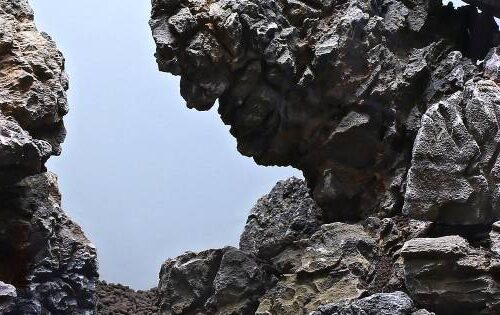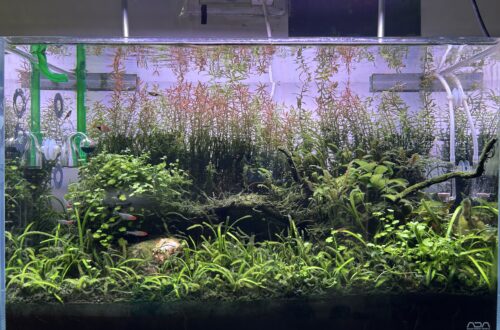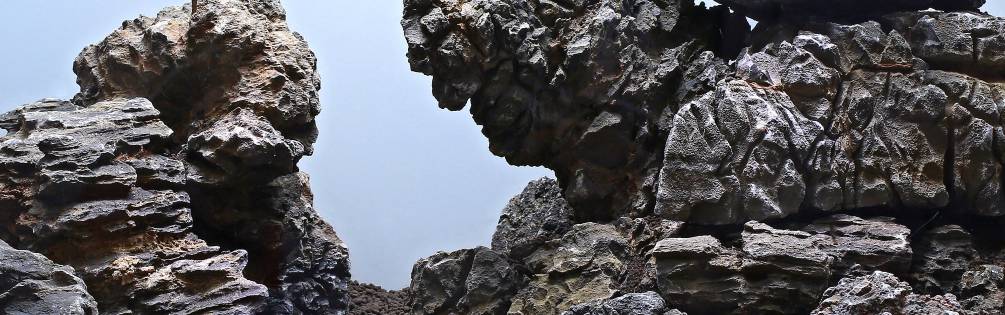
In the last and final chapter of aquascaping rock we will discuss about the following rocks
- Sansui rock
- Kai rock
- Yamaya rock
- Lava rock
Lets start with one by one
9. Discovering Sansui Rock: The Hidden Gem of Aquascaping
What Is Sansui Rock?
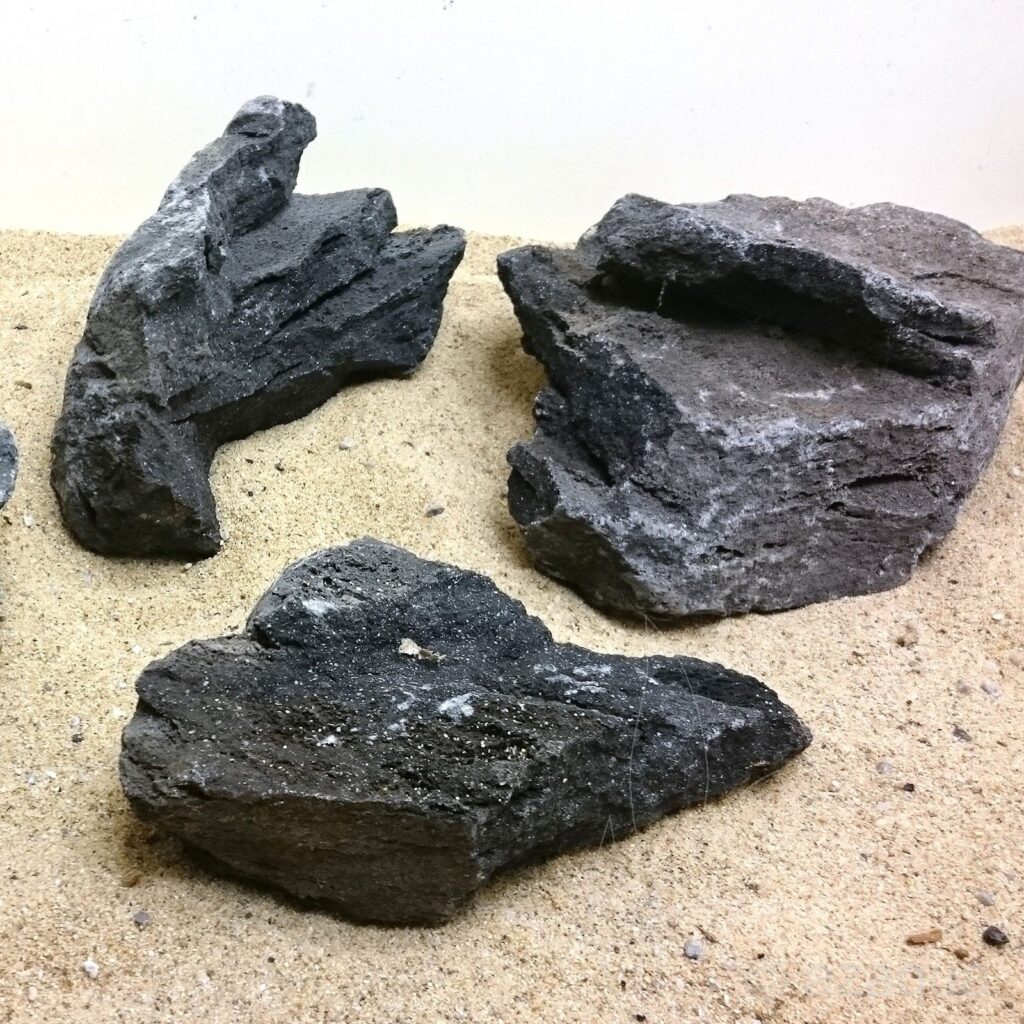
Sansui Rock (also called Sansui Stone or Sansui Seiryu) is a dark, charcoal-to-black stone often characterized by rugged textures, jagged edges, and naturally carved striations. The name “Sansui” is derived from Japanese, meaning “mountain and water,” a fitting tribute to its dramatic appearance and its role in nature-inspired aquascapes.
This rock mimics the look of ancient, eroded mountain faces or volcanic cliffs, making it a favorite for Iwugami and nature-style aquascapes. It evokes a sense of depth, drama, and mystery, especially when paired with lush green aquatic plants or white substrate.
Key Features of Sansui Rock
- Color: Deep gray to almost black, ideal for contrast against bright green foliage or light-colored sand.
- Texture: Sharp and rugged, with deep crevices and occasional white veins.
- Density: Heavy and solid, allowing stable scaping structures.
- Visual Impact: Provides a strong focal point; great for minimalist and high-contrast layouts.
Why Aquascapers Love Sansui Rock
1. Striking Visual Contrast
The dark tone of Sansui Rock helps plants “pop,” particularly carpeting species like Hemianthus callitrichoides (dwarf baby tears), Eleocharis, or mosses like Taxiphyllum. This contrast enhances depth and realism in your aquascape.
2. Natural Aesthetics
Sansui Rock’s natural erosion patterns lend authenticity to aquascapes, mimicking ancient cliffs or mountain terrain. This makes it ideal for creating a dramatic, zen-inspired landscape.
3. Layout Flexibility
Whether you’re building a towering cliffscape or a subtle rolling hill, Sansui Rock is versatile. Its angular edges interlock well, allowing for stable and creative stacking.
How to Use Sansui Rock in Aquascaping
1. Start with a Vision
Before placing any stone, sketch or visualize your desired layout. Consider focal points and the flow of the viewer’s eye through the tank.
2. Follow the Rule of Thirds
Use the golden ratio or rule of thirds to place your main Sansui stone (the “main stone” or Oyaishi) off-center. Supporting stones (Fukuishi) should complement and not compete with it.
3. Use Sand and Soil Smartly
Sansui Rock looks great against white or beige sand, which enhances contrast. For planted tanks, black soil can also add depth and realism.
4. Secure and Stabilize
Always test the stability of stacked rocks. Use aquarium-safe glue or small plastic supports if needed to prevent collapse during maintenance or substrate shifts.
Considerations Before Using Sansui Rock
- Water Chemistry Impact: Sansui Rock may slightly raise pH and hardness over time, especially in soft water setups. Always test your water and monitor regularly.
- Sharp Edges: Be mindful when placing Sansui Rock in tanks with delicate fish or shrimp species, as sharp edges could pose a risk.
- Weight: Like most natural stones, Sansui Rock is heavy. Place a cushioning layer (like egg crate) on the bottom of the tank if you’re building a tall structure.
Final Thoughts
Sansui Rock is more than just a beautiful hardscape choice—it’s a statement. Its moody tones, rugged elegance, and versatility make it a top pick for aquascapers who want to infuse their underwater world with a bold and natural aesthetic.
Whether you’re creating a minimalist layout with a single striking stone or an elaborate mountain scape, Sansui Rock can elevate your aquascape from simple to sublime.
10. Kai Rock in Aquascaping: A Rising Star in Natural Hardscapes
Aquascaping is all about storytelling through rocks, plants, and water. One of the newest and most intriguing stones making waves in the aquascaping community is Kai Rock. With its raw texture, earthy tones, and natural appeal, Kai Rock has quickly become a favorite among hobbyists seeking a rugged yet balanced look in their aquariums.
What Is Kai Rock?
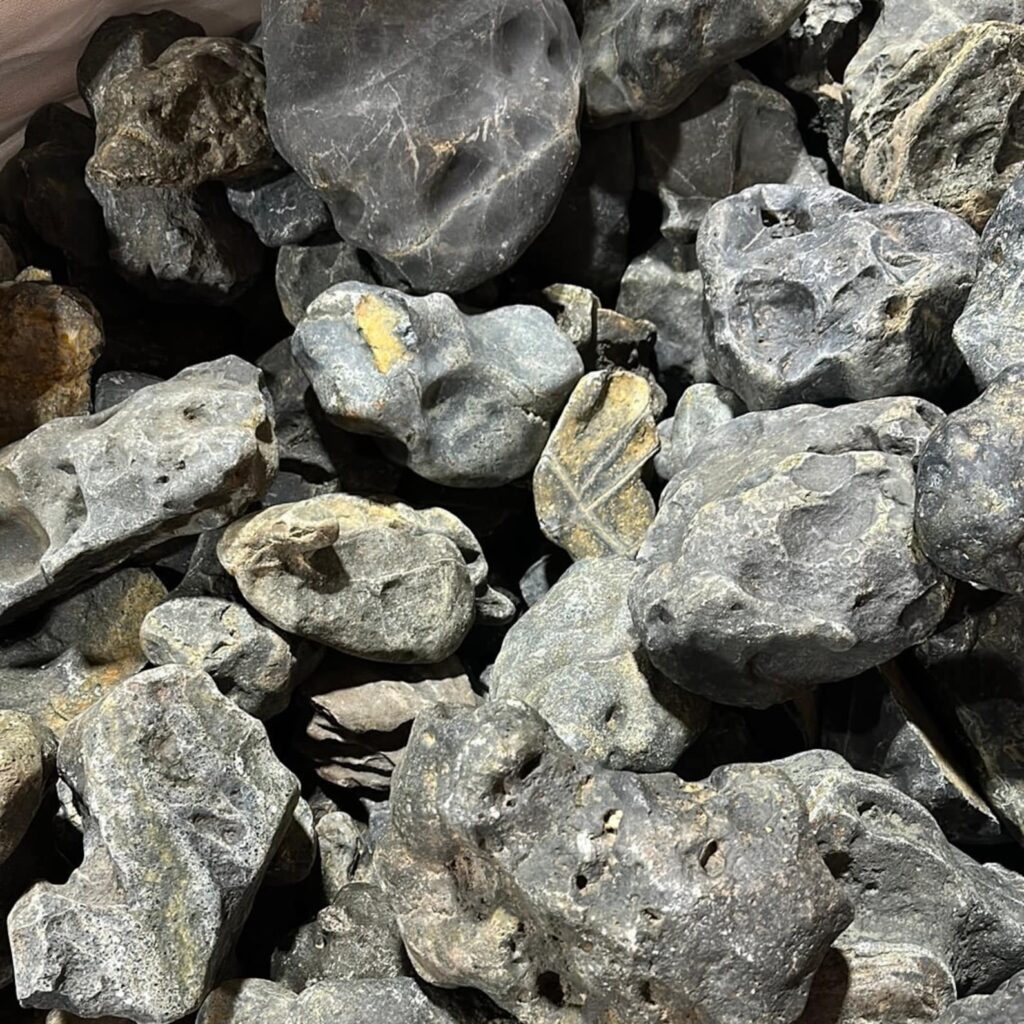
Kai Rock is a natural stone commonly used in planted aquariums for hardscaping. It features irregular shapes, a rough surface, and a distinctive color palette that ranges from warm browns to rusty grays. Unlike the more polished or uniform stones like Seiryu or Dragon Stone, Kai Rock has a wild, unrefined character that works beautifully in nature-style aquascapes.
Its name, though not as widely recognized as other iconic stones, is gaining popularity through aquascaping forums, social media posts, and professional competitions.
Characteristics of Kai Rock
- Color: Warm earth tones—rust, brown, deep gray—often with subtle reddish hues.
- Texture: Coarse, pitted surfaces that resemble weathered cliffs or aged canyon rocks.
- Shape: Jagged, asymmetrical forms ideal for creating organic, natural layouts.
- Density: Fairly heavy, stable for scaping but still workable with basic tools.
Why Choose Kai Rock?
1. Natural, Weathered Look
Kai Rock doesn’t just look natural—it feels like it’s been pulled straight from a mountain stream. Its irregular texture creates shadows and highlights underwater, adding depth and realism to the aquascape.
2. Versatile Layout Options
The irregular shapes make Kai Rock suitable for mountain landscapes, forest valley themes, or wild riverbanks. You can create tall peaks or low, scattered stones depending on your vision.
3. Subtle Color Palette
Its muted earth tones blend well with green plants and soft substrate. It doesn’t overpower the tank, making it ideal for nature aquariums that aim to mimic real-world landscapes.
How to Use Kai Rock in Your Aquascape
1. Plan Your Layout
Start with a clear concept: are you aiming for a mountain ridge, a riverbed, or a forest floor? Use the largest, most visually striking piece as your main stone (Oyaishi), and build around it with complementary pieces (Fukuishi and Soeishi).
2. Embrace Asymmetry
Kai Rock thrives in naturalistic, asymmetrical layouts. Avoid strict symmetry and instead mimic how rocks would fall or erode in nature.
3. Pair with the Right Plants
The rustic color of Kai Rock pairs beautifully with low-growing carpeting plants like Monte Carlo or Eleocharis, as well as ferns and mosses like Bolbitis or Taxiphyllum. Adding plants to the crevices enhances realism and softens sharp edges.
4. Combine with Earthy Substrates
To maintain a cohesive palette, choose dark or beige substrates like Amazonia soil, cosmetic sand, or river gravel. This will help the rocks blend seamlessly into the scape.
Tips and Considerations
- Water Chemistry: Kai Rock is generally inert, meaning it won’t significantly alter pH or hardness—ideal for planted tanks.
- Tank Safety: The rock’s surface can be rough, so be careful if you keep delicate, bottom-dwelling fish or shrimp.
- Stability: Due to its uneven shape, some pieces may need support or adhesive (like aquarium-safe glue or epoxy) to prevent shifting.
Final Thoughts
Kai Rock is the perfect choice for aquascapers who want their tanks to look as if nature itself arranged the scene. Its rough edges, earthy tones, and organic shapes bring an authenticity that’s both understated and powerful.
Whether you’re building a wild, overgrown forest tank or a tranquil mountain valley, Kai Rock provides the texture and tone to bring your vision to life.
11. Yamaya Rock: The Bold and Textured Heart of Natural Aquascapes
Among the many rock types gaining popularity for their dramatic textures and bold presence is Yamaya Rock—a lesser-known but highly expressive choice for aquascaping artists looking to make a strong visual statement.
What Is Yamaya Rock?
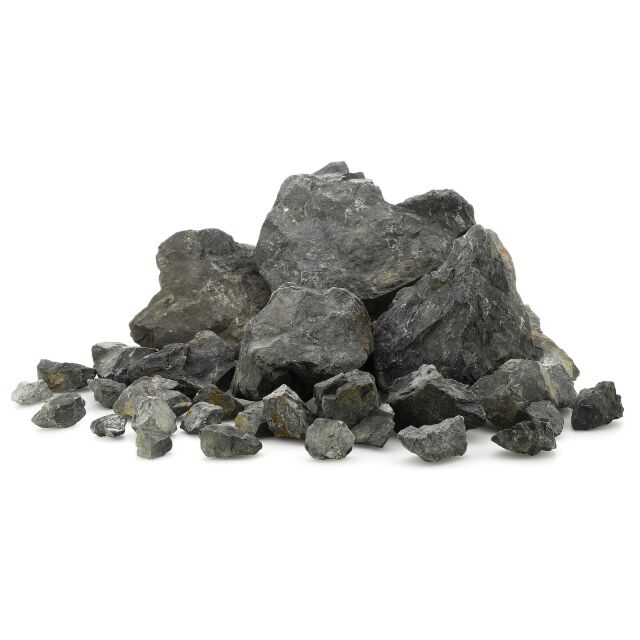
Yamaya Rock is a natural aquascaping stone known for its rugged structure, jagged forms, and rich contrast. Often dark in color with sharp, vertical striations and irregular formations, Yamaya Rock brings a bold, raw aesthetic to any planted tank.
The word “Yamaya” doesn’t have a standardized meaning across the industry, but in some regions it’s associated with “mountain valley” or “wild cliff,” which perfectly describes the kind of natural landscape this rock evokes. It is especially favored by aquascapers aiming for dramatic mountain-scapes, Iwagumi layouts, or terrain-inspired nature tanks.
Key Characteristics of Yamaya Rock
- Color: Dark gray to black, sometimes with subtle brown or greenish undertones.
- Texture: Deep, vertical grooves, rough surfaces, and fractured edges.
- Shape: Tall, column-like or wedge-shaped pieces with natural erosion patterns.
- Weight: Dense and heavy, ideal for stable scaping structures.
Why Choose Yamaya Rock in Aquascaping?
1. Striking Vertical Texture
The most iconic feature of Yamaya Rock is its deep grooves and vertical striations, which create a cliff-like or tectonic appearance. These lines add height, drama, and movement to the aquascape—making it a great choice for those who want their hardscape to feel geological and ancient.
2. High Contrast
The dark tones of Yamaya Rock contrast beautifully with green aquatic plants, light sand substrates, or white background lighting. This contrast enhances visual depth and highlights key elements in the layout.
3. Natural Drama
Yamaya Rock lends itself well to mountainous or canyon-style scapes, where dramatic height differences and rock formations are central to the composition. Its bold shapes easily create a focal point or skyline effect.
How to Use Yamaya Rock in Your Layout
1. Design with Height in Mind
Because of its verticality and sharp edges, Yamaya Rock works best in tall, upright layouts. Consider building a rising ridge or mountain-like formation that draws the viewer’s eye upward.
2. Create a Cliffside Scene
Use Yamaya Rock to mimic natural cliff walls or broken terrain. Arrange stones with parallel striations to enhance the illusion of geological layering.
3. Pair with Simple Planting
Let the rocks do most of the talking. Pair Yamaya Rock with minimal, low-growing plants such as:
- Micranthemum tweediei (Monte Carlo)
- Eleocharis acicularis (Hairgrass)
- Anubias nana petite or Bucephalandra for subtle greens in crevices
4. Use Subdued Substrates
To maintain focus on the hardscape, choose neutral-toned or fine sand substrates. Light beige or gray sands can amplify the dark rock and create a serene, balanced look.
Tips and Considerations
- Stability: Yamaya Rock’s sharp and narrow shapes can be top-heavy. Always secure tall structures with substrate anchors or aquarium-safe adhesive.
- Water Parameters: Generally inert, Yamaya Rock won’t significantly affect pH or hardness, making it safe for most planted tank setups.
- Sharp Edges: Handle with care. The jagged structure can be harmful to delicate fish or shrimp if not placed thoughtfully.
- Scape Depth: Use small, broken pieces in the foreground and larger ones in the back to create perspective and enhance depth.
Final Thoughts
Yamaya Rock brings a bold, structured, and geological presence to your aquascape. If you’re aiming for a natural look that mimics rugged cliffs or dramatic landscapes, this rock type is a perfect match. It allows you to create visually impactful layouts with minimal elements—proof that simplicity and strength can go hand in hand in underwater design.
So, whether you’re an experienced aquascaper or trying your hand at hardscaping for the first time, Yamaya Rock offers a unique palette to craft with—one that’s full of story, structure, and style.
12. Lava Rock in Aquascaping: A Natural Powerhouse for Beauty and Biology
In the world of aquascaping, few materials offer the perfect combination of aesthetics, utility, and biological benefits quite like lava rock. This rugged, lightweight stone has earned a permanent place in the toolkit of both beginner and expert aquascapers alike.
What Is Lava Rock?
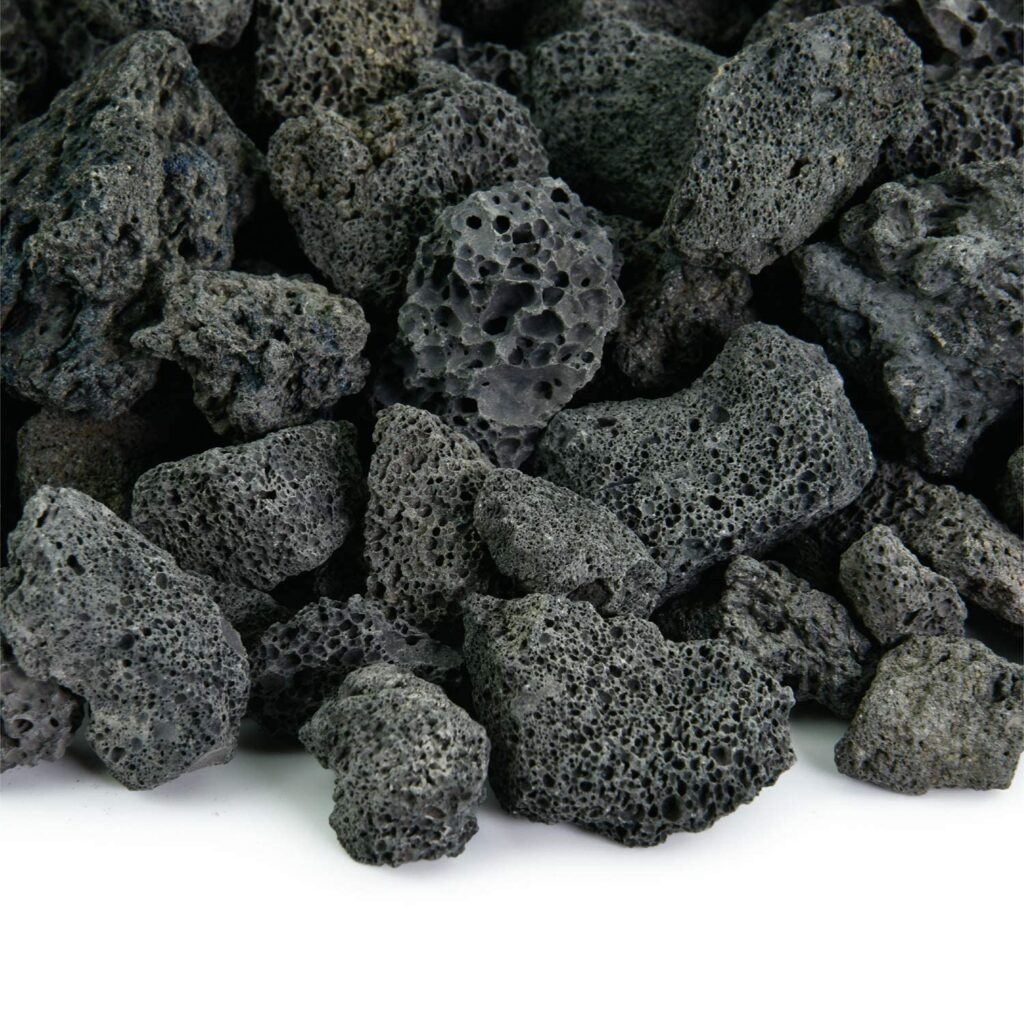
Lava rock—also known as volcanic rock or scoria—is formed from solidified molten lava after a volcanic eruption. Due to its explosive origin, it’s naturally porous, lightweight, and full of tiny crevices, making it both visually interesting and functionally powerful in an aquarium environment.
Lava rock is available in a variety of colors, including black, brown, dark red, and even gray tones. Its rugged surface and irregular shapes make it ideal for building natural-looking aquascapes that mimic wild terrains like riverbanks, cliffs, or mountain slopes.
Key Features of Lava Rock
- Highly Porous: Acts as a natural home for beneficial bacteria, boosting biological filtration.
- Lightweight: Easier to handle, stack, and arrange, even in large quantities.
- Textured Surface: Perfect for attaching mosses, ferns, and epiphytic plants.
- Color Variety: Comes in black, red, brown, and neutral tones to match various themes.
- pH Neutral: Generally inert and safe for most freshwater aquariums.
Why Use Lava Rock in Aquascaping?
1. Natural Beauty
Lava rock’s coarse texture and earthy color tones add a rugged, organic feel to any layout. It works especially well in:
- Jungle-style aquascapes
- Mountain scapes
- Riverbed or canyon themes
The rock’s irregular shapes make each piece unique, allowing for highly personalized designs.
2. Biological Filtration
Thanks to its high porosity, lava rock provides excellent surface area for colonization by nitrifying bacteria. These microbes help break down ammonia and nitrites, maintaining stable, healthy water conditions.
It’s commonly used in:
- Aquascaping layouts
- Filter media
- Sumps and canister filters
3. Plant Compatibility
Lava rock’s holes and crevices make it ideal for anchoring plants. It works particularly well with:
- Mosses like Java Moss or Christmas Moss
- Ferns like Microsorum pteropus (Java Fern)
- *Bucephalandra and Anubias, which naturally attach to surfaces
With the right planting, lava rock can resemble overgrown forest ruins or moss-covered boulders.
4. Aquascape Structure
Its lightweight nature allows for stacking and building vertical elements without excessive weight. You can build arches, caves, or retaining walls that are both attractive and stable.
How to Use Lava Rock in Your Aquascape
1. Rinse Thoroughly
Before adding lava rock to your tank, rinse it well to remove dust and small particles. You can also boil it for a few minutes to sterilize if needed.
2. Build a Natural Layout
Combine different sizes and shapes to build a balanced, natural structure. Use the golden ratio or rule of thirds to position focal rocks.
3. Create Planting Zones
Use lava rock as a base for plant-heavy zones. Glue or tie mosses and ferns directly onto the rock, or wedge rooted plants into its cracks.
4. Stack Securely
Although lava rock is lightweight, larger structures may require support. Use aquarium-safe epoxy, super glue gel, or acrylic rods for added stability.
Tips and Considerations
- Sharp Edges: Some lava rocks have sharp points. Smooth them with sandpaper or place them away from delicate fish like bettas or fancy goldfish.
- Color Matching: Black lava rock is most common, but red lava can add warmth. Choose based on your tank’s color theme and lighting.
- Avoid Soft Lava Rocks: Very brittle lava rock may break apart over time and cloud the water. Choose dense, high-quality pieces.
Final Thoughts
Lava rock is more than just a rock—it’s a multifunctional tool that brings both aesthetic and biological benefits to your aquascape. Whether you’re creating a lush jungle, a minimalist Iwagumi layout, or a low-maintenance shrimp tank, lava rock offers versatility, performance, and timeless natural beauty.
Its ability to host beneficial bacteria, anchor plants, and create visual depth makes it a must-have for aquascapers at all levels. If you’re planning your next scape, don’t overlook this volcanic wonder—lava rock might just be the fiery foundation your aquascape needs.
Conclusion
Choosing the right rocks for your aquascape is about more than just aesthetics—each type brings its own character, texture, and influence on the underwater environment. Whether you’re drawn to the sharp drama of Seiryu Stone, the organic ruggedness of Lava Rock, the earthy tones of Kai Rock, or the striking verticality of Yamaya Rock, the key is to select materials that align with your artistic vision and the needs of your aquatic ecosystem. By understanding the unique features of each rock type, you can craft layouts that not only look stunning but also support healthy plant and animal life. In the end, the right rock can transform your aquarium from a simple tank into a thriving, living landscape. Although at beginning it is difficult to differentiate one from other but with time and experience it will be smooth to explore the features of each one and quiet enjoyable to do the scaping.
Till then enjoy aquascaping and don’t forget to comment for more details…………..