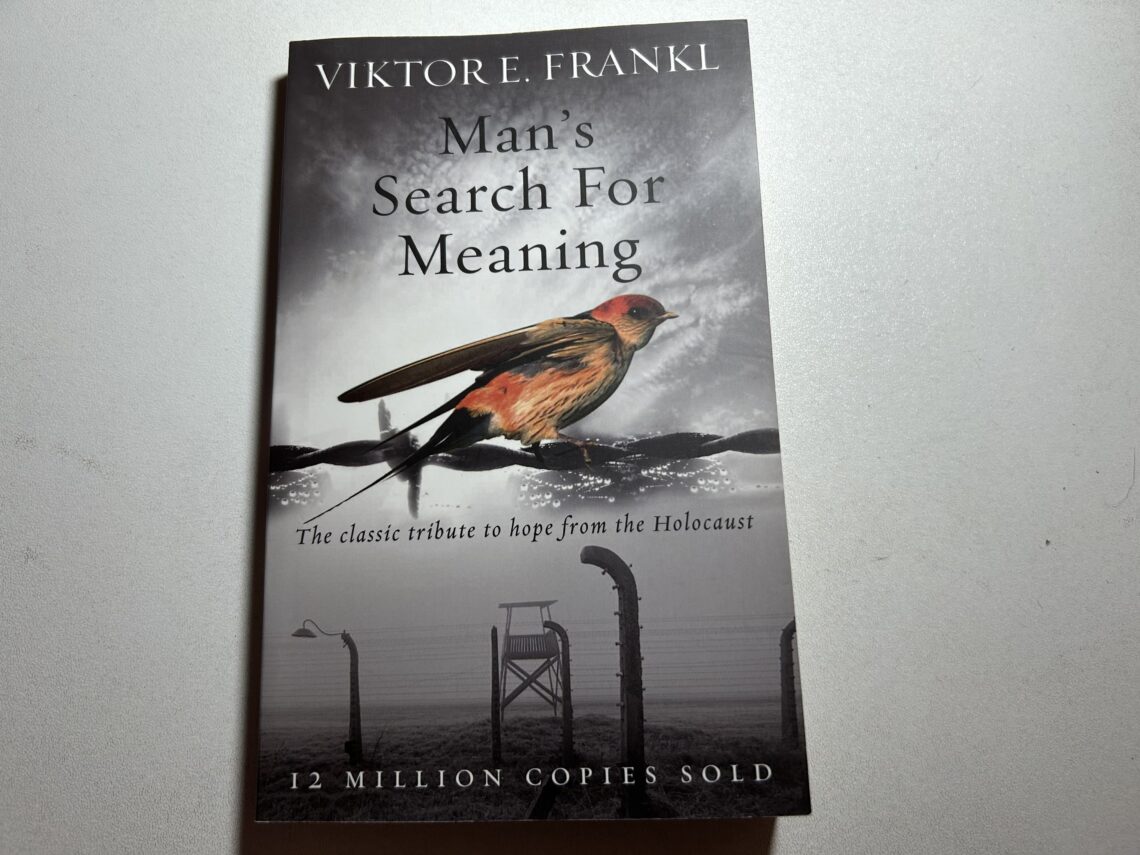
Few books manage to change the way readers look at life, suffering, and purpose. Man’s Search for Meaning by Viktor E. Frankl is one of those rare works that continues to resonate decades after its publication. Recently I have completed the book Man’s Search for Meaning by Viktor E. Frankl and surprisingly it is the combination of memoir, psychology, and philosophy, the book is both deeply heartbreaking and profoundly inspiring.
A Glimpse into Humanity at Its Worst
The first half of the book recounts Frankl’s experiences in Nazi concentration camps during the Holocaust. Unlike many historical narratives that focus solely on events, Frankl examines the psychological realities of camp life. He describes the starvation, cruelty, fear, and loss with remarkable honesty, yet without bitterness.
What makes the book especially powerful is its focus on the inner world of prisoners. Frankl observes how some people lost hope entirely, while others somehow retained dignity and compassion even in unimaginable circumstances. Through these experiences, he arrives at a central realization: human beings can endure immense suffering if they find meaning in their lives.
His famous line captures the essence of the book:
“He who has a why to live for can bear almost any how.”
The Birth of Logotherapy
The second half introduces Frankl’s psychological approach known as Logotherapy, a form of existential analysis centered on the search for meaning. Unlike theories that emphasize pleasure or power as the primary human motivation, Frankl argues that the deepest drive in life is the pursuit of purpose.
According to Frankl, meaning can be discovered in three main ways:
- Through meaningful work or achievements
- Through love and relationships
- Through the attitude we choose in unavoidable suffering
This philosophy feels surprisingly practical rather than abstract. Frankl does not promise happiness at all times; instead, he suggests that meaning gives suffering context and transforms despair into resilience.
Why the Book Still Matters Today
Despite being rooted in historical tragedy, Man’s Search for Meaning remains incredibly relevant in the modern world. In an age marked by stress, uncertainty, and emotional burnout, Frankl’s ideas offer a timeless reminder that purpose is essential for psychological survival.
The book speaks to readers from all walks of life:
- Students searching for direction
- Professionals struggling with burnout
- People coping with grief or hardship
- Anyone questioning the meaning of success and happiness
Its message is neither overly optimistic nor pessimistic. Instead, it presents a balanced and deeply human perspective: while we cannot always control our circumstances, we can control how we respond to them.
Writing Style and Readability
One of the book’s greatest strengths is its simplicity. Frankl writes with clarity and emotional restraint, which makes the narrative even more impactful. There are no dramatic exaggerations or unnecessary sentimentality. The quiet honesty of his storytelling allows readers to reflect deeply on their own lives.
At just around 200 pages, the book is concise yet remarkably dense with insight. It is the kind of work that readers often revisit multiple times, discovering new layers of meaning with each reading.
Final Verdict
Man’s Search for Meaning is more than a memoir or psychology book—it is a meditation on human resilience, hope, and purpose. Viktor Frankl’s experiences and insights challenge readers to think beyond comfort and success and to ask a more important question: What gives life meaning?
It is not always an easy read emotionally, but it is unquestionably a rewarding one. For anyone interested in philosophy, psychology, history, or personal growth, this book deserves a place on the shelf. Please share your thoughts in the comment box, love to hear from you.
Rating: 5/5